
Why Effective Abatement Control Is Essential for Energy from Waste Plants
Abatement Control for Energy from Waste Plants
Energy from Waste (EfW) plants play a vital role in modern waste management by converting non-recyclable waste into electricity and heat. As these facilities become increasingly important in supporting a circular economy, maintaining efficient emissions control is critical, not only for regulatory compliance but also for operational performance.
The Challenge of Emissions Control
During the combustion process, EfW plants generate acidic gases such as hydrogen chloride (HCl) and sulphur dioxide (SO₂). If left untreated, these emissions can have a significant environmental impact and exceed strict regulatory limits.
To control these pollutants, EfW plants use flue gas treatment systems that inject reagents such as lime or sodium bicarbonate to neutralise harmful gases before they are released into the atmosphere.
Why Monitoring Matters
Effective abatement relies on accurate, real-time continuous monitoring of flue gas composition. Without reliable measurements, operators often compensate by overdosing reagents to ensure compliance. While this reduces the risk of emissions breaches, it can significantly increase operating costs and place unnecessary strain on abatement equipment.
Continuous monitoring enables operators to:
- Optimise reagent dosing and reduce waste
- Improve the efficiency of flue gas treatment systems
- Maintain compliance with environmental regulations
- Reduce maintenance requirements and unplanned downtime
- Improve overall plant performance
Driving Operational Efficiency
Modern in-situ gas analysers provide continuous measurement of key gases directly within the process. By monitoring pollutants such as SO₂ and HCl in real time, operators gain the information needed to make immediate process adjustments rather than relying on conservative dosing strategies.
This data-driven approach helps balance environmental performance with operational efficiency, allowing plants to minimise reagent consumption while maintaining consistent emissions control.
Supporting Sustainable Waste Management
Energy from Waste facilities are an important part of reducing landfill dependency and recovering energy from materials that cannot be recycled. However, their environmental benefits depend on robust emissions management.
Advanced monitoring technologies help ensure these plants operate safely, efficiently and in compliance with increasingly stringent environmental standards. By combining accurate process control with effective abatement systems, EfW operators can reduce operating costs while supporting cleaner, more sustainable energy generation.
As regulations continue to evolve, investment in reliable emissions monitoring will remain a key factor in achieving both environmental compliance and long-term operational success.
Productos relacionados
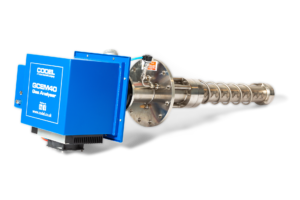
El analizador GCEM40 es un dispositivo in situ rentable, de bajo mantenimiento y diseñado tanto para el control de procesos como para la monitorización de emisiones.
CO, NOx, SO2, HCl, CH4, CO2 y H2O
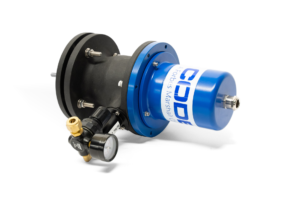
Los monitores de flujo únicos de CODEL miden la velocidad de los gases de chimenea utilizando una medición de tiempo de vuelo altamente precisa que se deriva de un análisis de correlación cruzada de las emisiones infrarrojas del gas turbulento.
Flujo de gas
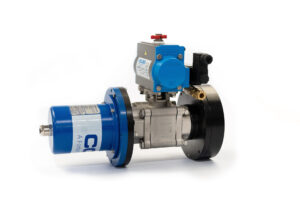
El DCEM2100 es un transmisómetro de doble paso configurado para la medición continua de la opacidad y la concentración de polvo en los gases de combustión.
Polvo
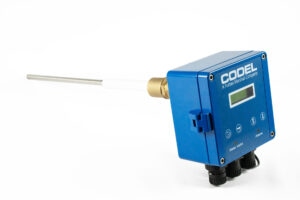
El DCEM 6000 es el analizador de polvo triboeléctrico QAL1 de alta gama de CODEL, que ofrece una monitorización continua de las emisiones con gran precisión. Proporciona datos en tiempo real para respaldar el cumplimiento normativo y optimizar el rendimiento de la filtración.
Polvo