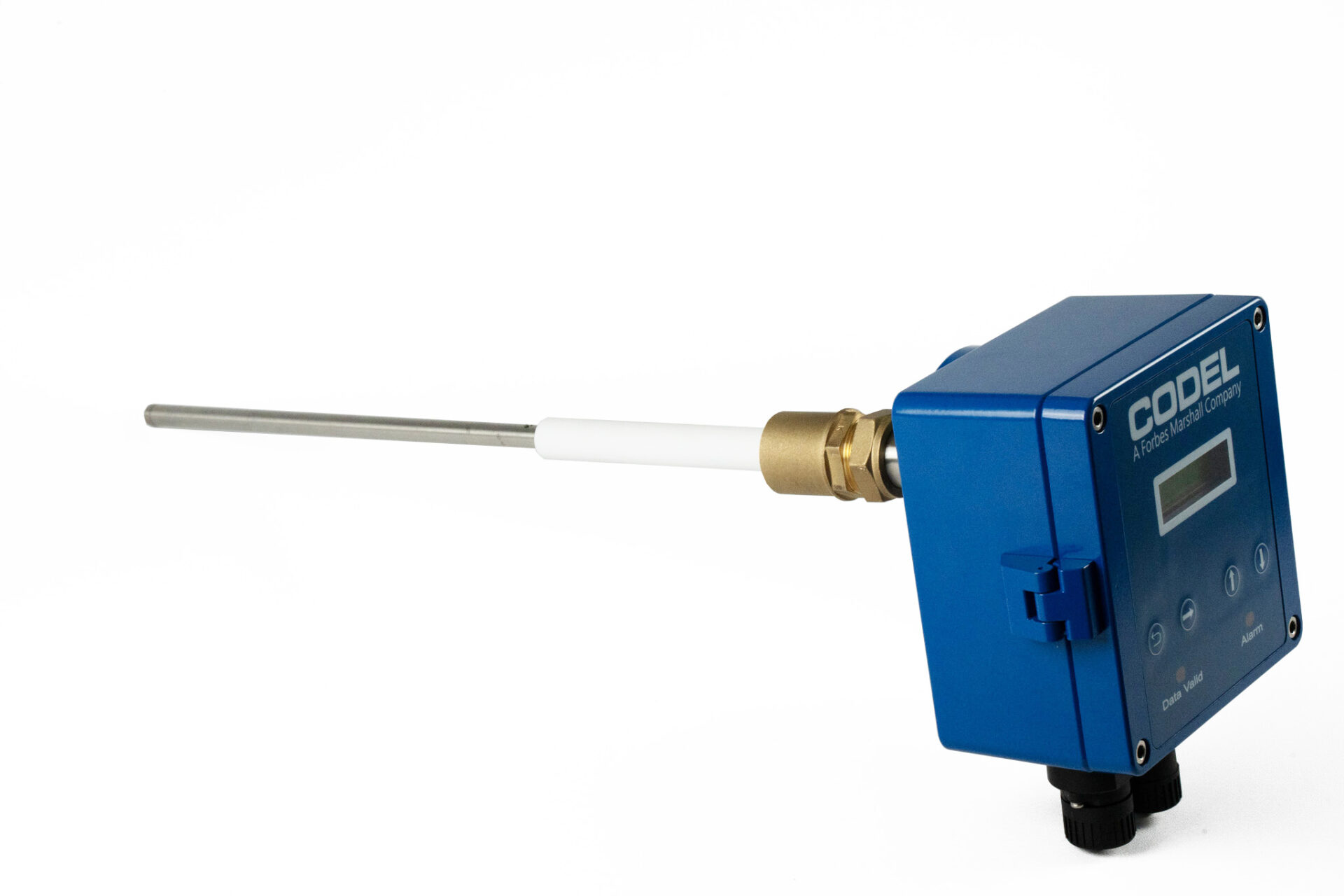
DCEM 6000
QAL1 Dust Analyser
Triboelectric Dust Analyser
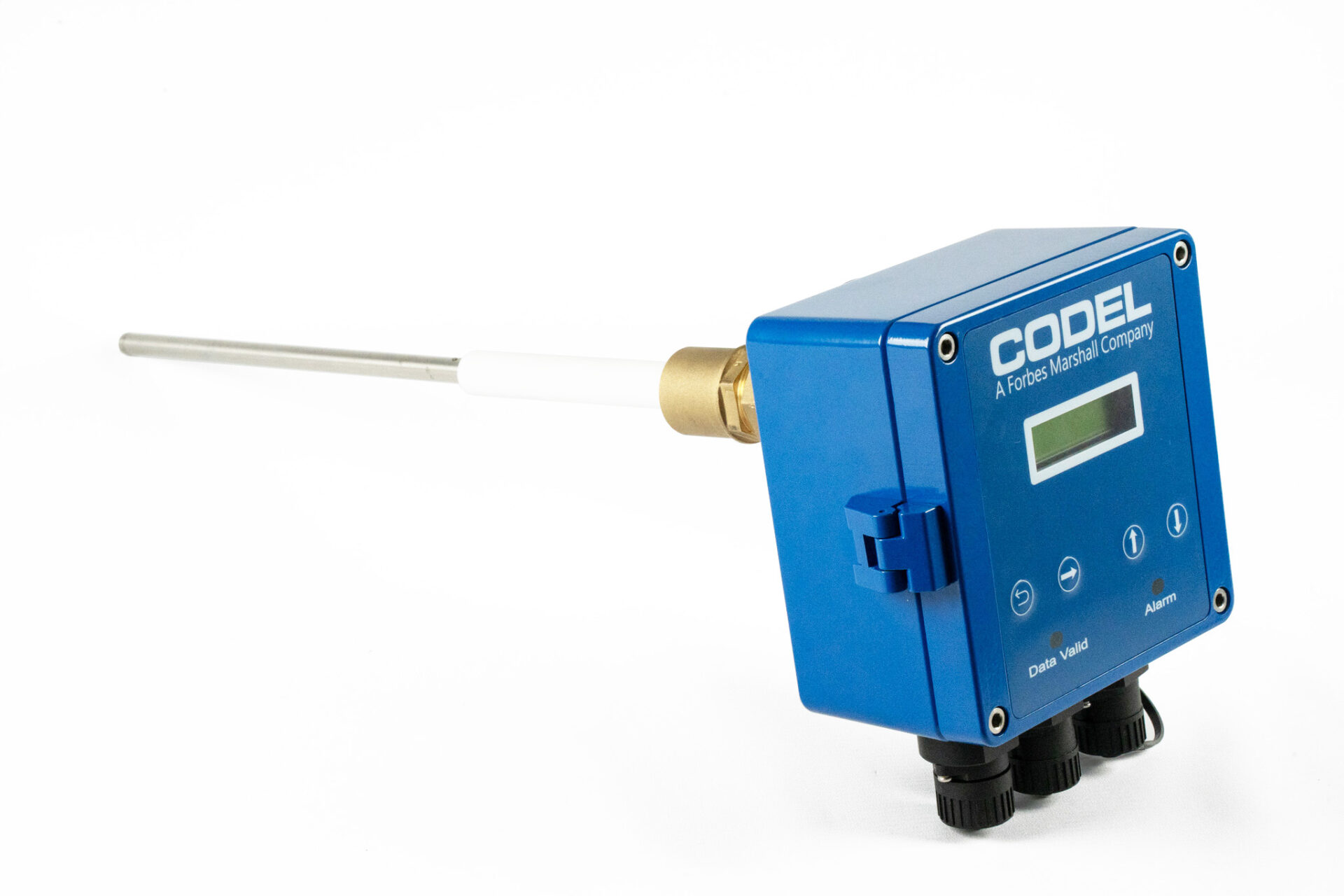
The DCEM 6000 is CODEL’s premium QAL1 triboelectric dust analyser, delivering high-accuracy, continuous emissions monitoring. It provides real-time data to support compliance and optimise filtration performance.
Overview
The DCEM 6000 is CODEL’s flagship triboelectric dust analyser, designed for accurate, continuous monitoring of particulate emissions in industrial processes. Using advanced tribo-electric technology, it detects even the lowest dust levels, helping operators maintain optimal filtration performance and reduce emissions.
QAL1-certified and fully compliant with EN 15267-3 and EN 14181, the DCEM 6000 meets the highest regulatory standards. It is a reliable choice for industries requiring precise emissions data and consistent environmental compliance.
Features & Benefits
- Direct sensing method, actual particulate concentration.
- Automated online zero and span checking facility.
- Integrated calibration function for mg/m3 output.
- Easy installation with minimal maintenance required.
- Certified to EN 14181 & EN 15267-3 (QAL1)
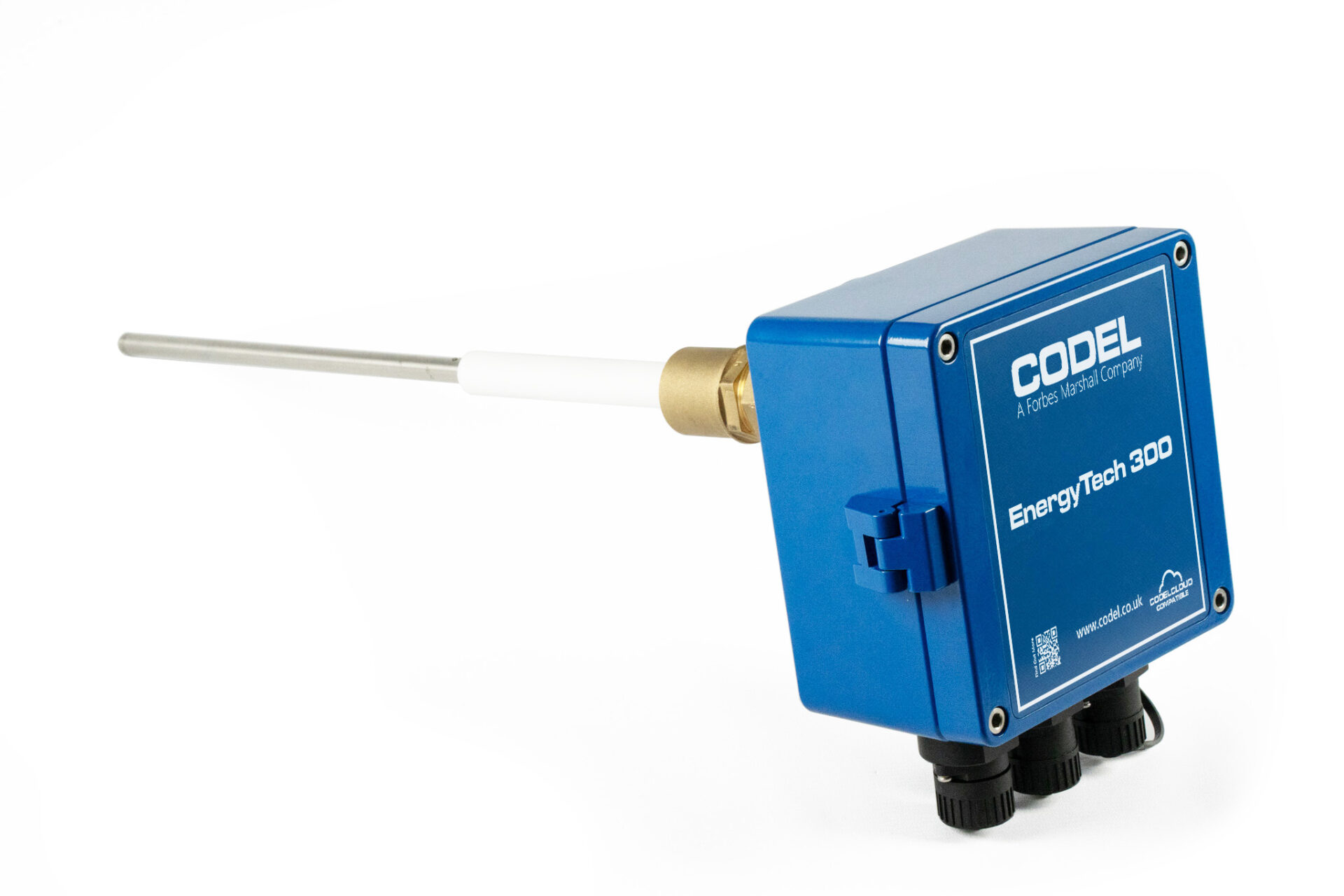
- CODEL Cloud Compatible
Product Specification
| Operating Principle | Triboelectric |
| Certification | EN 14181 & EN 15267-3 *QAL1 0-7.5mg/m3 |
| Supplementary Ranges | 0-15mg/m3, 0-50mg/m3, 0-100mg/m3 |
| Maximum Operating Range | 0 - 500mg/m3 |
| Resolution | 0.01% |
| Response Time | From 30 Seconds |
| Alarm Level | Programmable by user |
| Probe Lengths | 250, 500, 750 & 1000mm |
| Process Temperature | 0°C to +250°C |
| Ambient Temperature | -20°C to +50°C |
| Power Supply | 100-240V AC +/- 10% |
| Construction | Powder coated aluminium casting, weatherproof to IP66 (NEMA 4) |
| Dimensions (mm) | H160 x W160 x D90 |
| Mounting Arrangment | Supplied 1” BSP, 100mm Long Stub Pipe |
| Accuracy | +/- 0.2% |
You can find the full specification in the product data sheet / brochure.
What is the DCEM 6000 used for?
The DCEM 6000 is a continuous triboelectric dust analyser designed to measure particulate emissions from industrial processes. It provides real-time particulate data to help operators demonstrate emissions compliance, monitor filtration performance and identify changes in dust emissions.
How does the DCEM 6000 measure dust?
The DCEM 6000 uses triboelectric technology to detect electrical charge generated as particles interact with the sensing probe. This provides a direct measurement of particulate activity and allows the system to monitor dust concentration continuously.
Does the DCEM 6000 measure actual dust concentration?
Yes. A key advantage of the DCEM 6000 is its ability to provide a direct particulate measurement, rather than simply measuring light transmission or opacity. It can provide an output in mg/m³, with an integrated calibration function for concentration measurement.
What industries can use the DCEM 6000?
- Power generation
- Cement manufacturing
- Industrial manufacturing
- Chemical manufacturing
- Mining
- Crematoriums
- Waste management and recycling
- Woodworking and sawmills
- Pharmaceutical manufacturing
- Dust collection systems
- Construction
What measurement range does the DCEM 6000 cover?
The DCEM 6000 has a QAL1-certified range of 0–7.5 mg/m³, with supplementary ranges of 0–15, 0–50 and 0–100 mg/m³. Its maximum operating range extends to 0–500 mg/m³. The appropriate range depends on the application and regulatory requirements.
Can the DCEM 6000 detect low levels of dust?
Yes. The DCEM 6000 is designed to detect low particulate concentrations and is particularly suited to applications where operators need sensitive, continuous monitoring of emissions downstream of filtration or abatement equipment. CODEL describes the analyser as capable of detecting even very low dust levels.
Is the DCEM 6000 QAL1 certified?
Yes. The DCEM 6000 is QAL1 certified to EN 15267-3 and EN 14181, with its QAL1 certification covering the 0–7.5 mg/m³ range. This makes it suitable for regulated continuous emissions monitoring applications where certified particulate measurement is required.
How does the DCEM 6000 help monitor bag filters?
Continuous particulate measurement can provide an early indication of changes in filtration performance. An increase in measured dust levels can help operators identify potential problems with equipment such as bag filters or other particulate-abatement systems, allowing corrective action before emissions become a more significant issue. CODEL positions the DCEM 6000 for both compliance monitoring and optimisation of filtration performance.
Can the DCEM 6000 be integrated into a CEMS?
Yes. The DCEM 6000 is designed for continuous emissions monitoring and can form part of a wider CEMS installation alongside gas and flow monitoring equipment. It also supports integration with CODEL Cloud for access to monitoring data and reporting.
Is the DCEM 6000 suitable for US EPA applications?
Yes. The DCEM 6000 can be configured to satisfy US EPA 40 CFR Part 60, Appendix B, Performance Specification 11 (PS-11) for particulate matter CEMS. PS-11 is technology-neutral, meaning it does not prescribe a particular particulate measurement technology. The DCEM 6000’s triboelectric measurement principle can therefore be used where its performance is demonstrated against the applicable requirements
How does the DCEM 6000 compare with an optical dust monitor?
The main difference is the measurement principle. The DCEM 6000 uses triboelectric sensing, while an optical monitor such as the DCEM2100 uses light transmission to determine opacity/particulate concentration.
Triboelectric monitoring can be particularly attractive where direct particulate sensing, rapid response and straightforward installation are priorities. Optical monitoring can be preferable where opacity measurement or a particular optical monitoring methodology is required. The best choice depends on the application and regulatory requirements.
Product Enquiry
Data Sheet / Brochure Download
Looking for a manual?
Please contact us and we will be happy to help you.